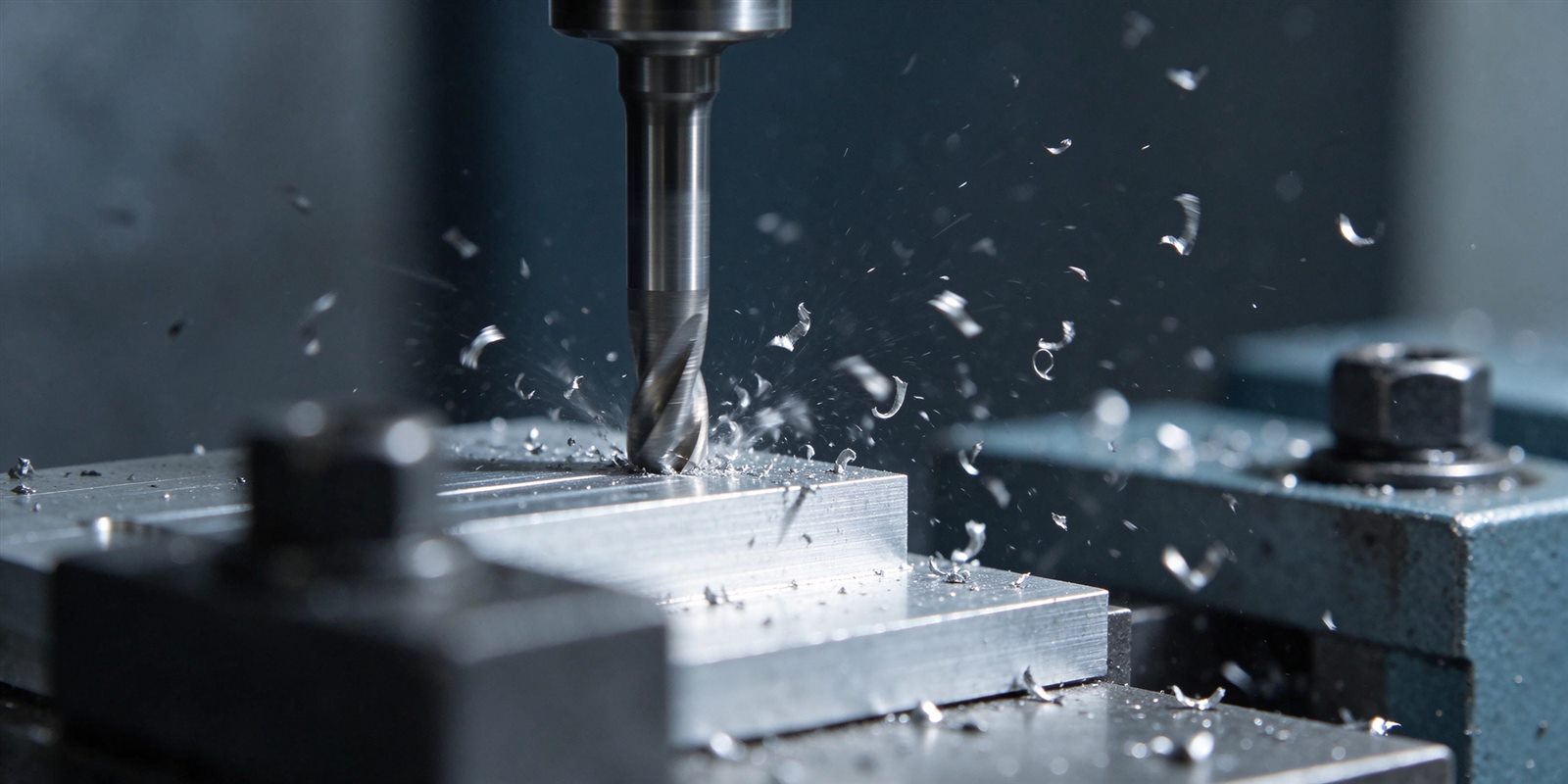
01 / REVIEW
Engineering review first
We check geometry, tolerances, material, finish and quantity before quoting — and tell you when a drawing needs clarification.
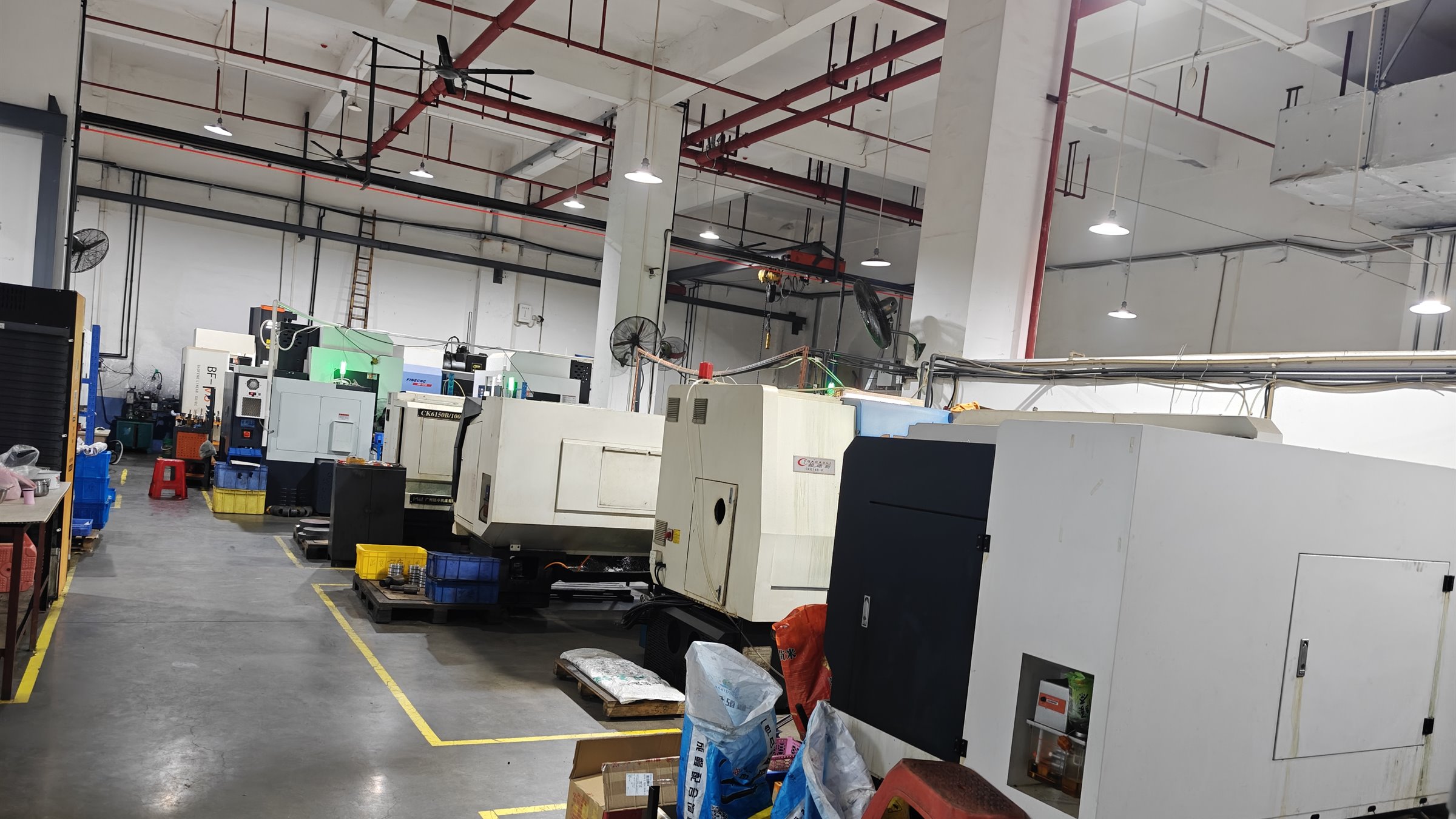
We machine prototypes, low-volume builds and repeat production parts from your drawings. Send a file and we will review it before quoting.
We check geometry, tolerances, material, finish and quantity before quoting — and tell you when a drawing needs clarification.
Price, lead time, included operations and exclusions are stated clearly, so you can compare offers on the same basis.
Production follows the approved drawing and sample. Inspection and packing are planned around how the part will be used.
Four common starting points. If your part does not fit one category, send the drawing anyway. We review the geometry, not the label.
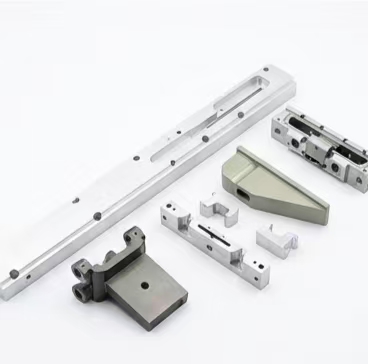
Brackets, fixture plates, slide bases, connection blocks and custom machine parts.
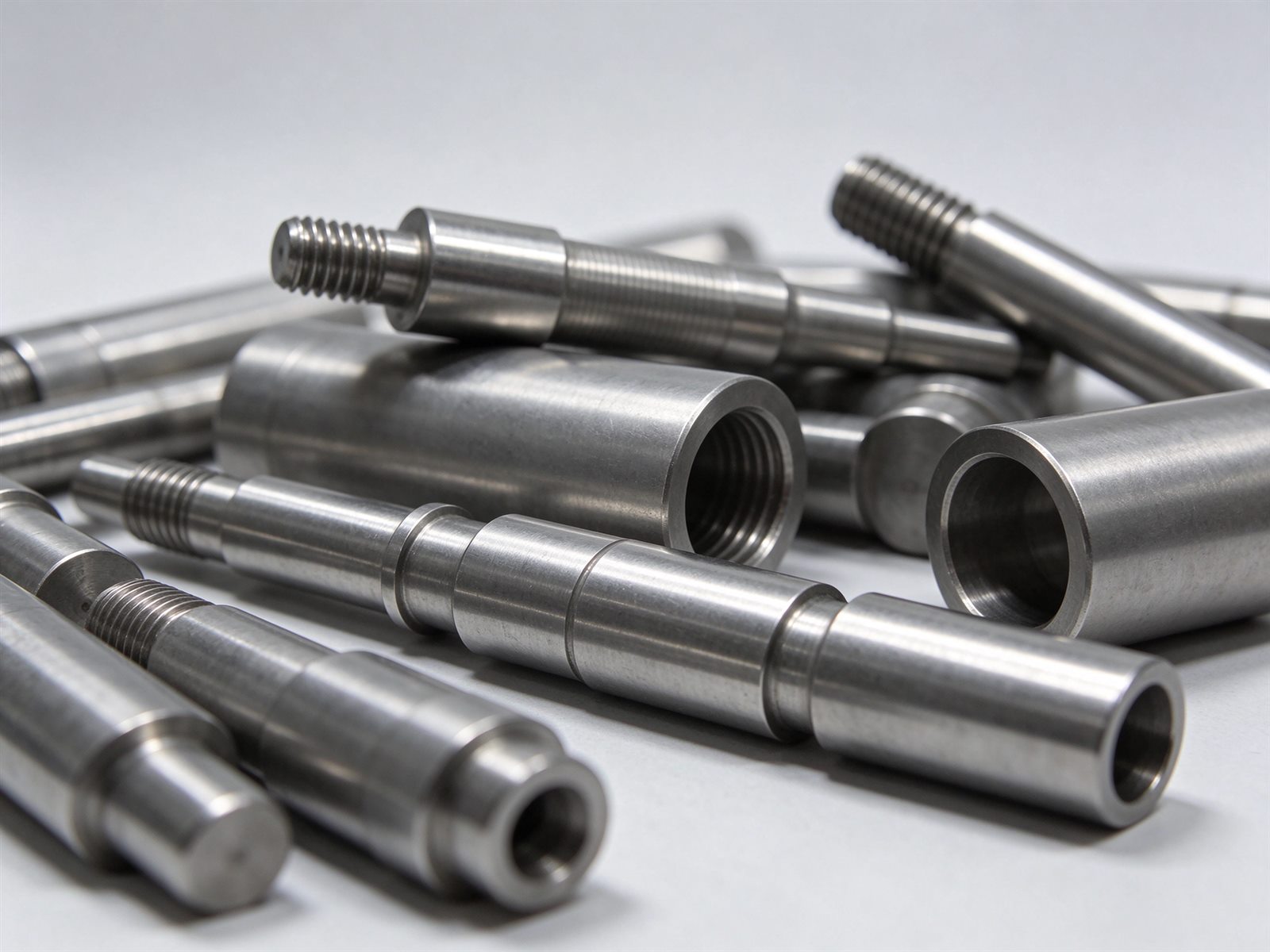
Stepped shafts, sleeves, threaded parts, fittings and concentric turned components.
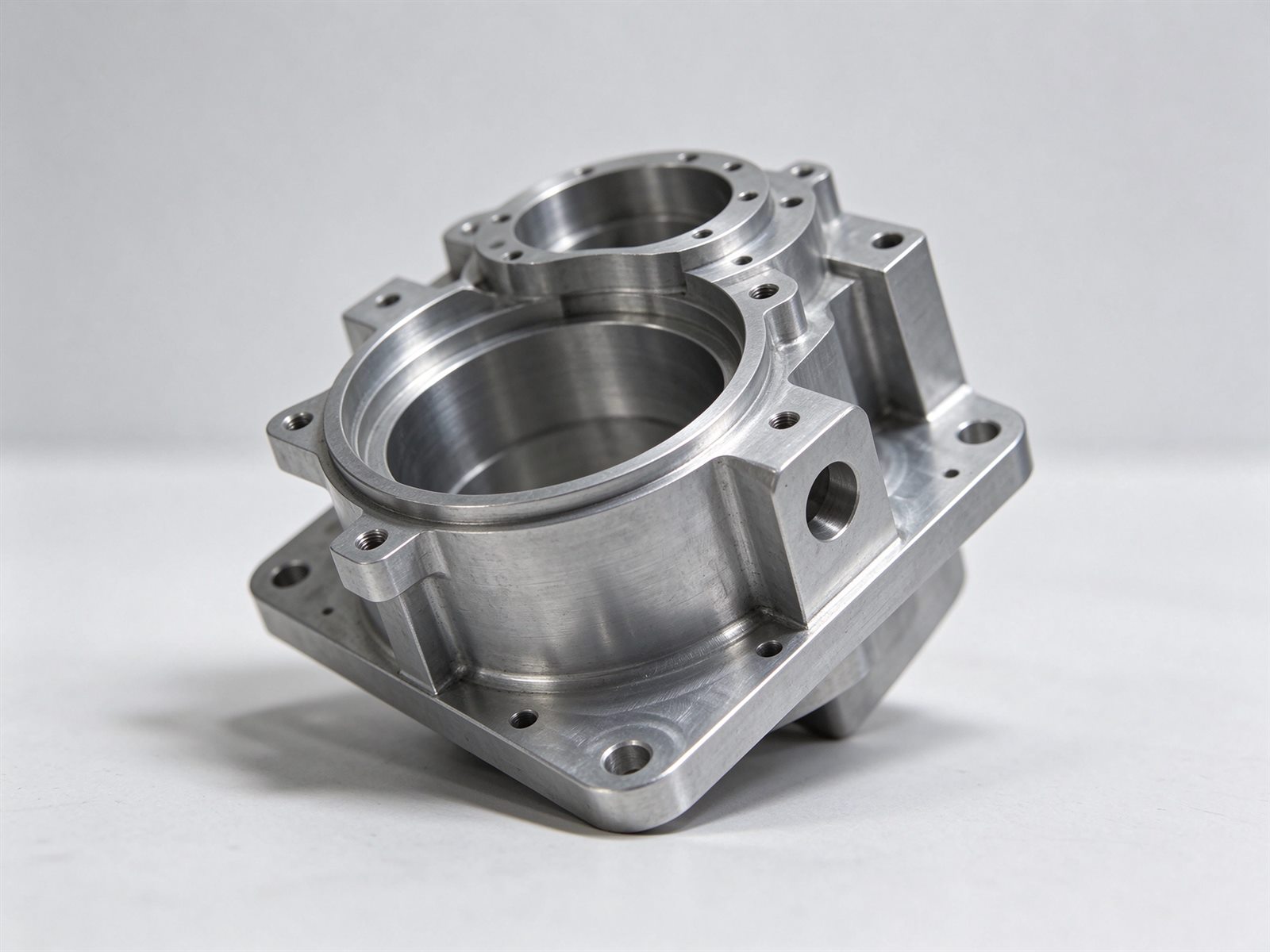
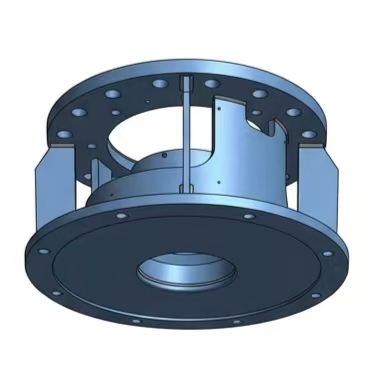
Flanged housings, covers, mounting bodies and multi-sided machined structures.
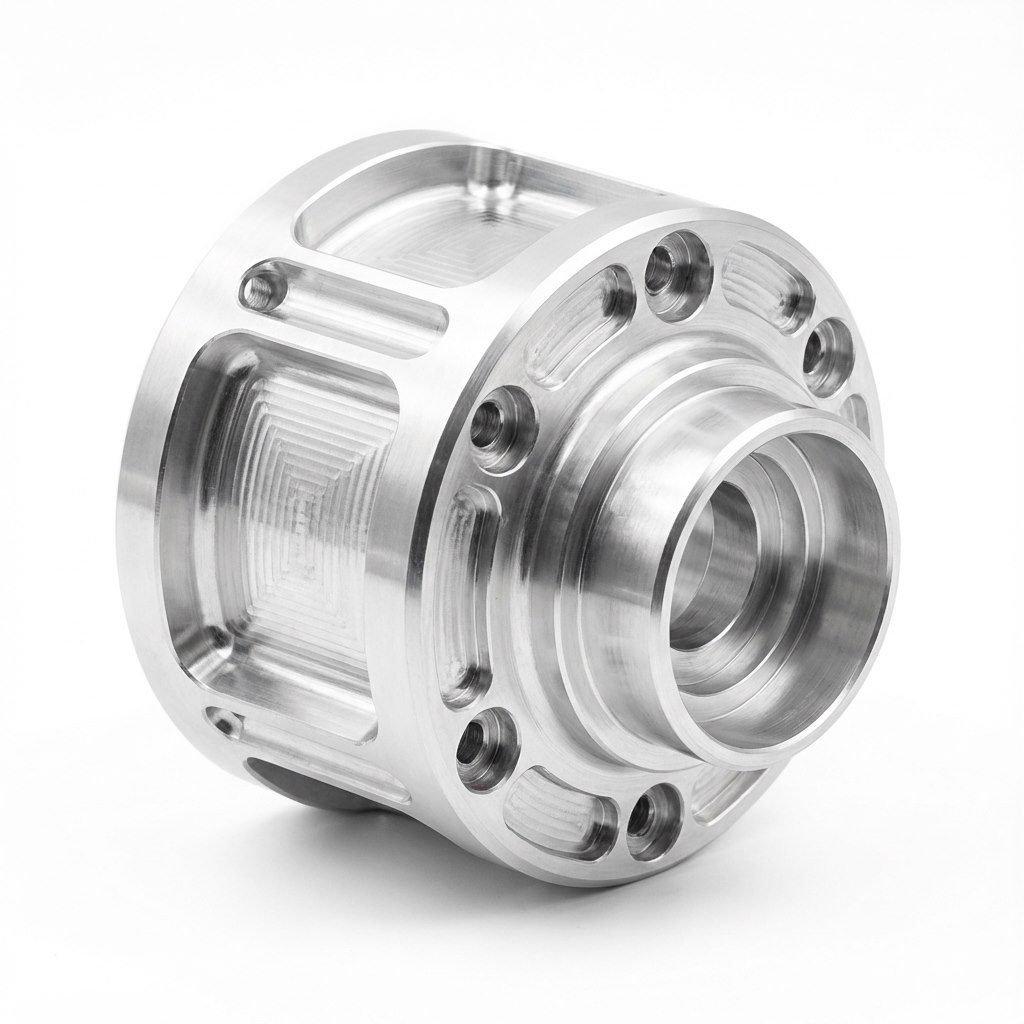
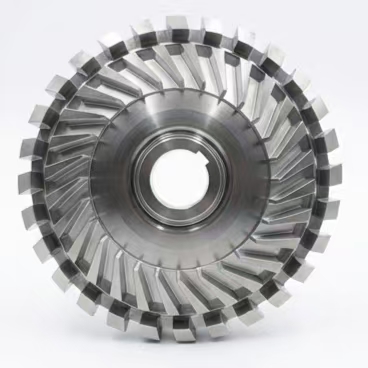
Impeller-style profiles, pockets, contoured surfaces and geometry that needs careful setup.
Images are representative of part types and machining capability. Production is built to the customer's approved drawing and specification.
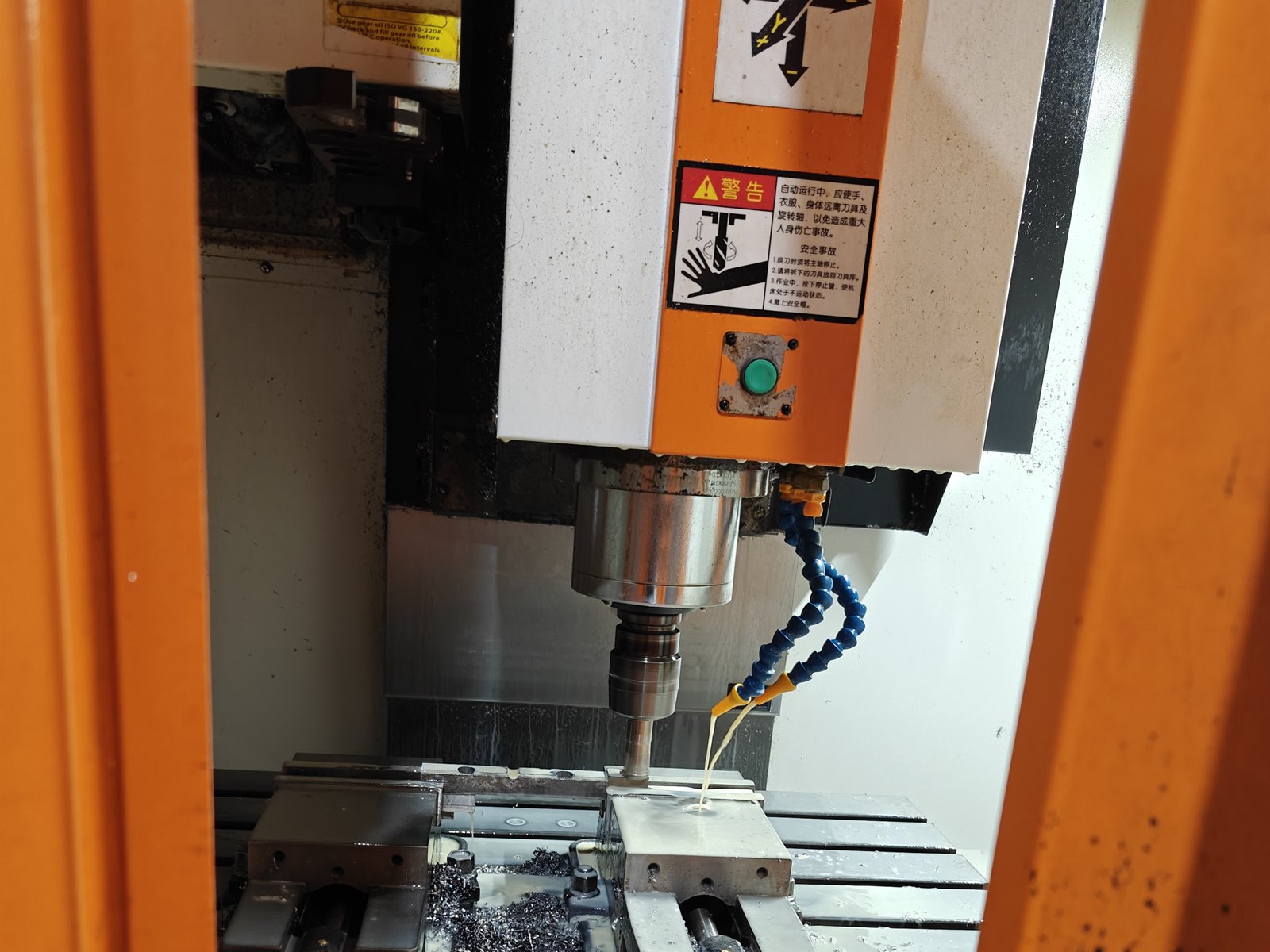 Process in focus
We quote from the drawing, not from guesses. First we review the part, the material and how it will be used, then we price it.
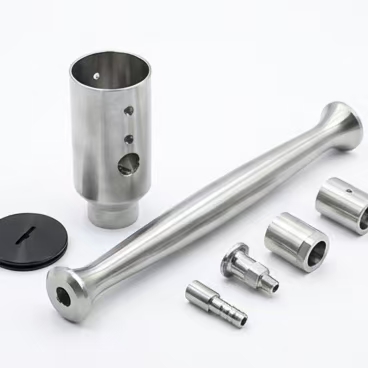
A few of the part types we machine. Customer names and drawings stay private.
Photos from our shop in Longjiang, Shunde.
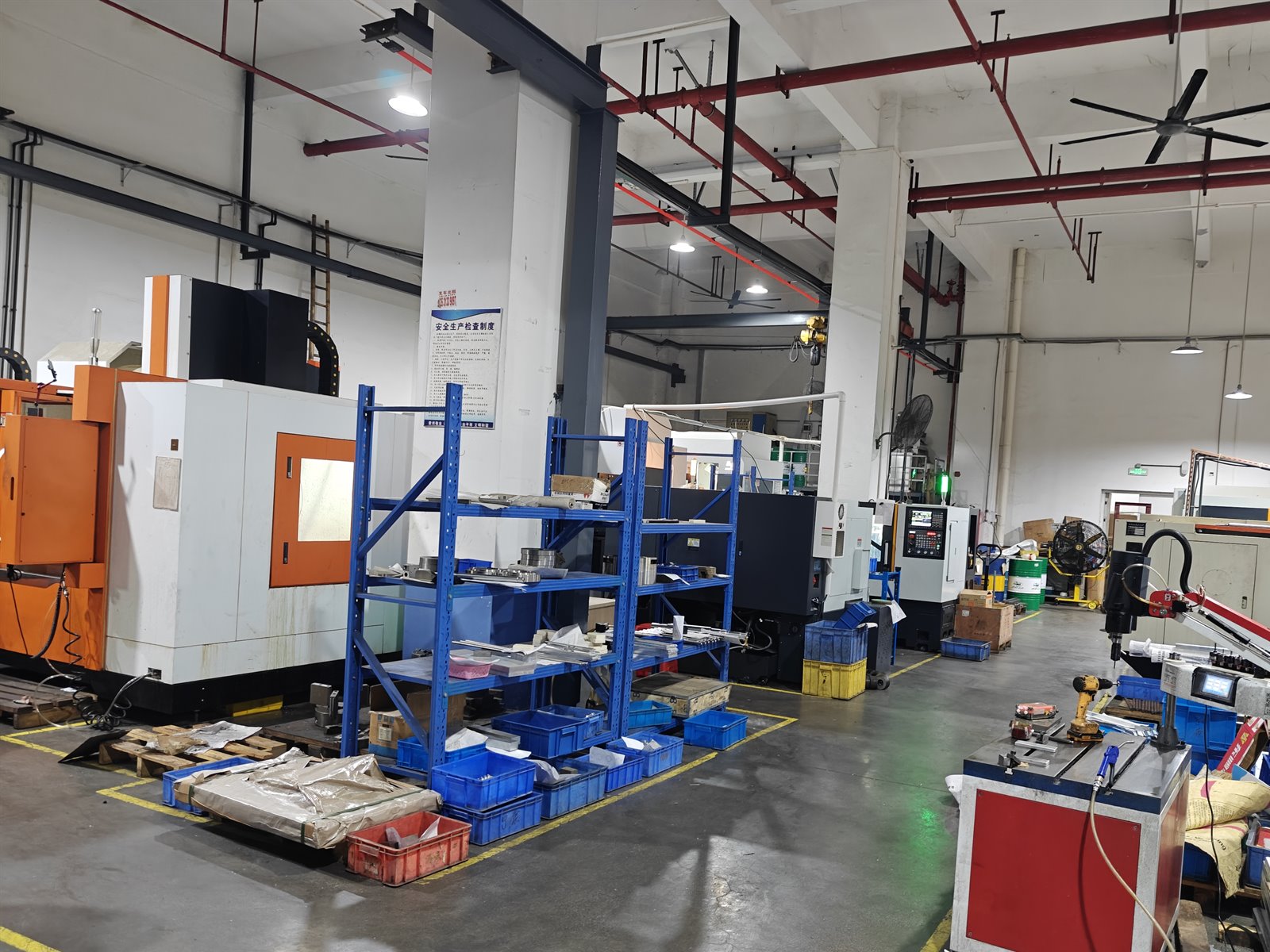
Machining, setup, tooling and daily production in one facility.
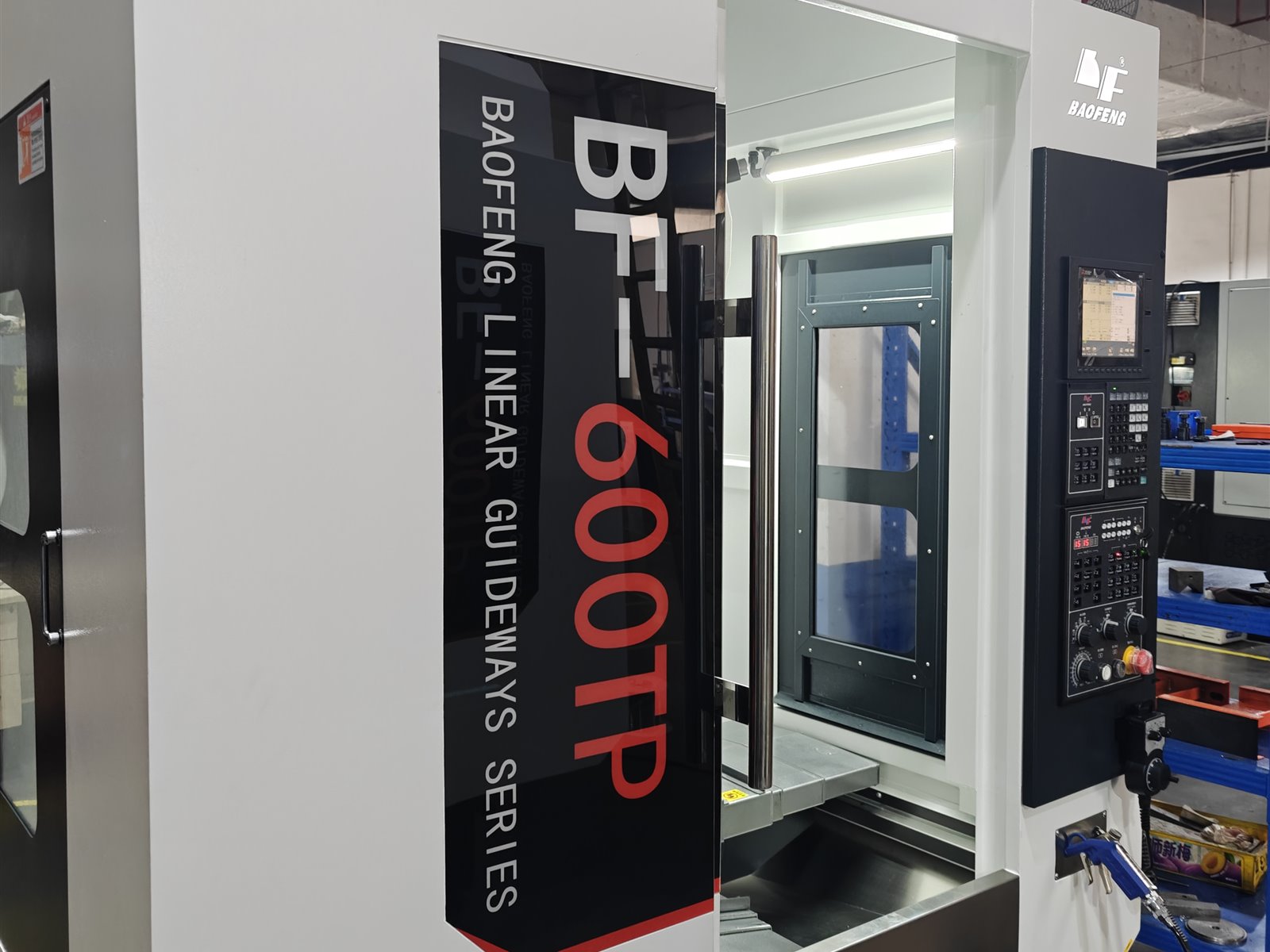
For milled housings, plates, brackets and custom machined features.
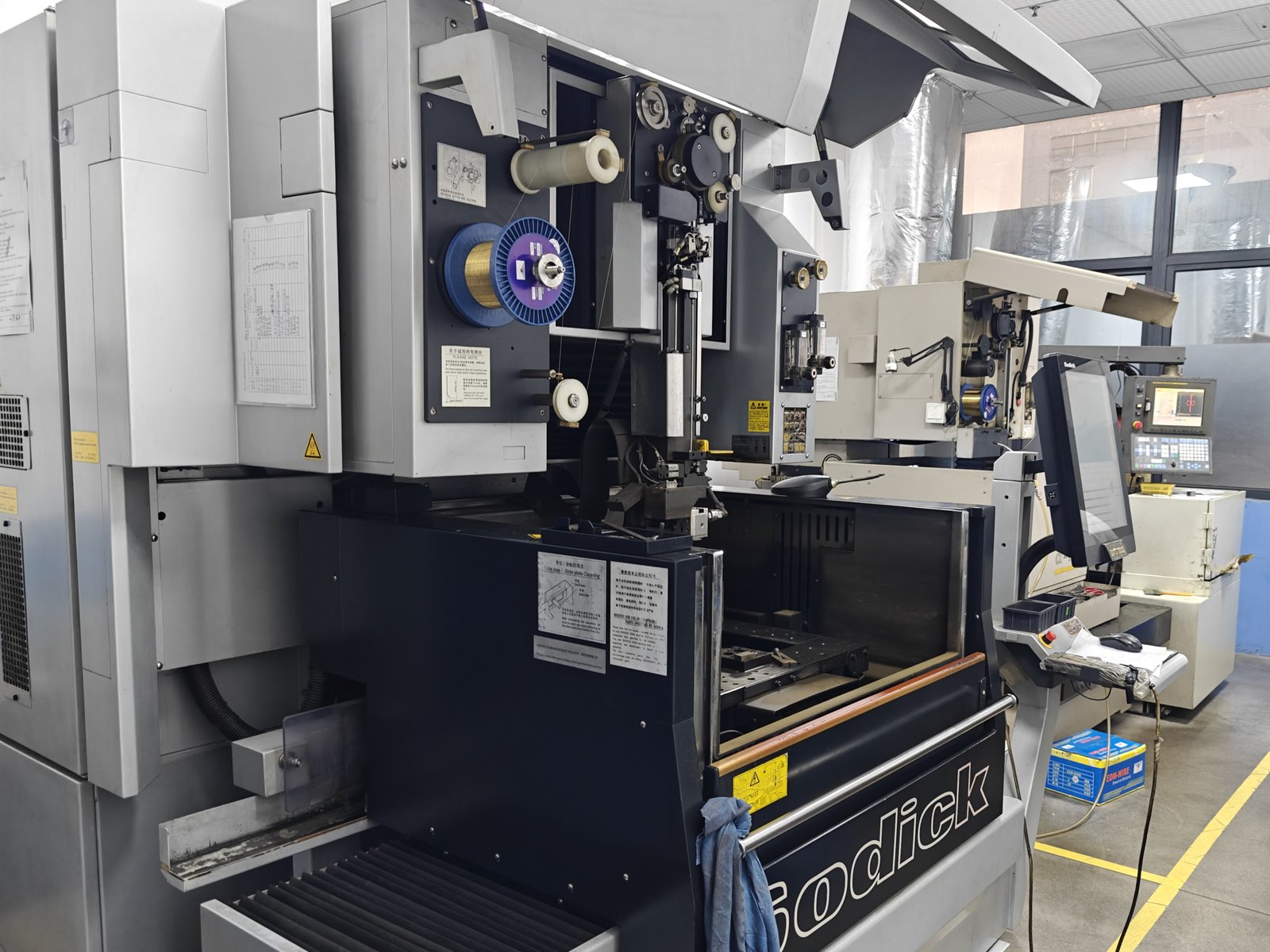
Sodick equipment for profile cutting and detailed part features.
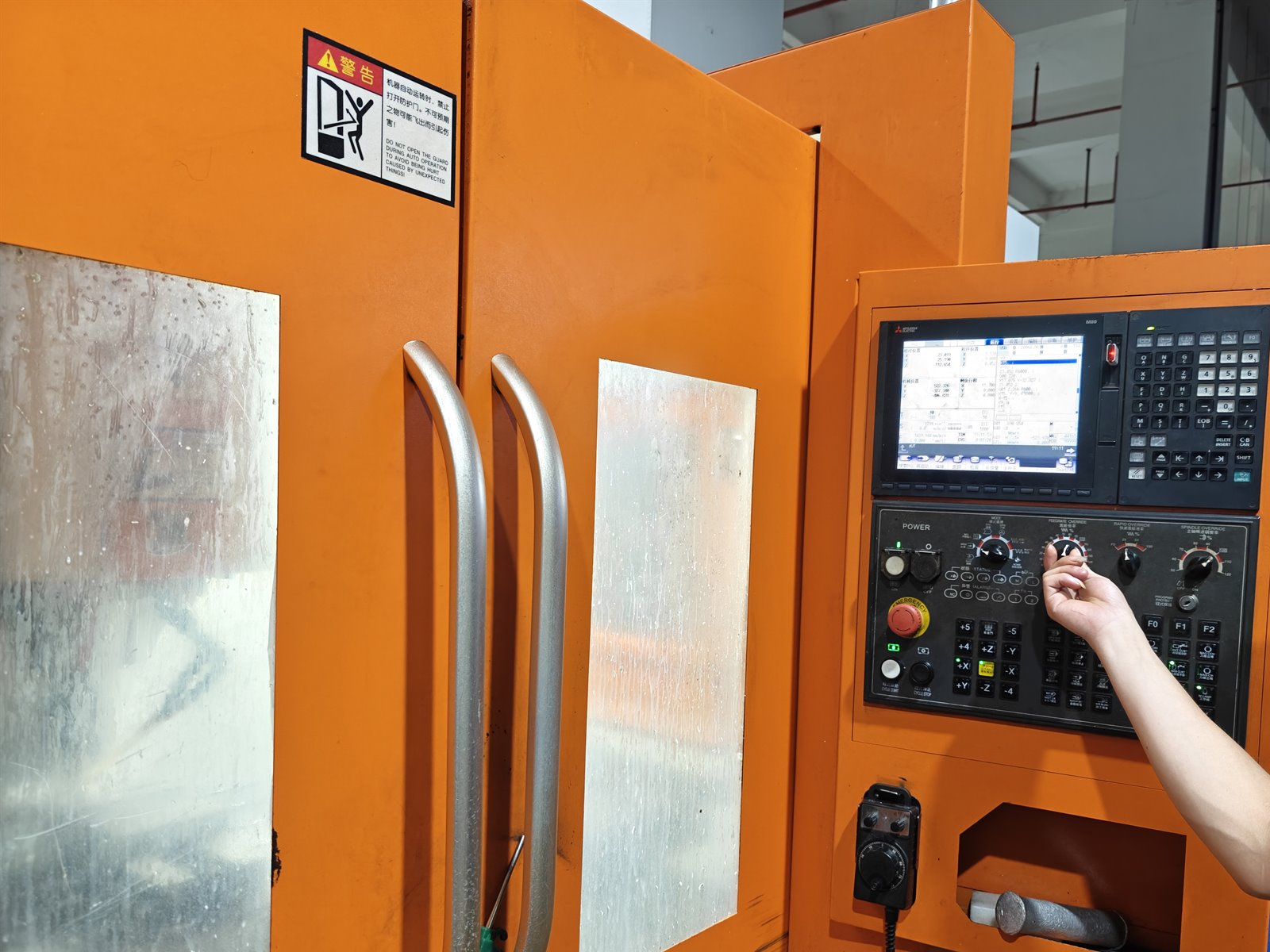
Each job starts with the right setup and the correct machine parameters.
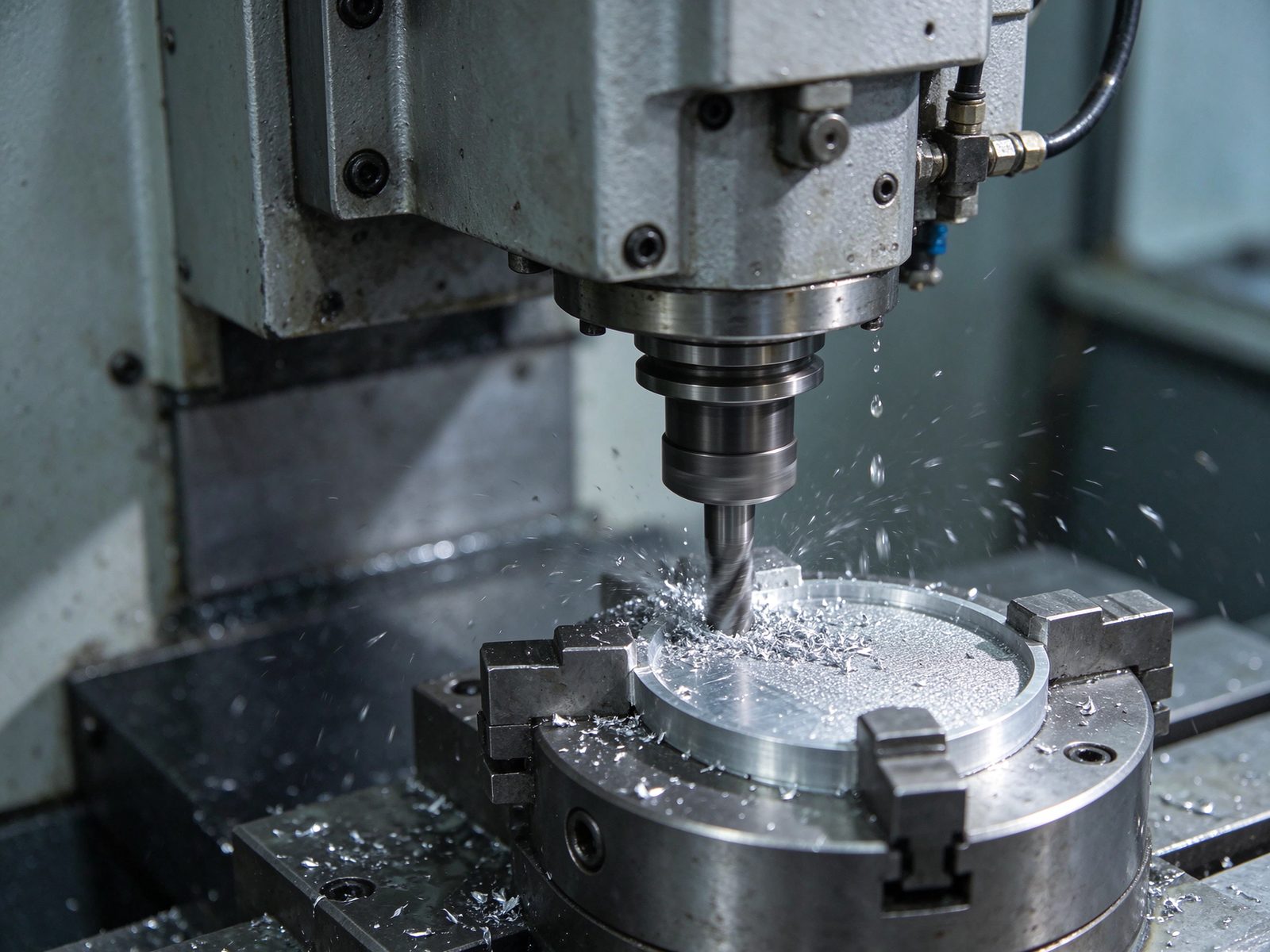
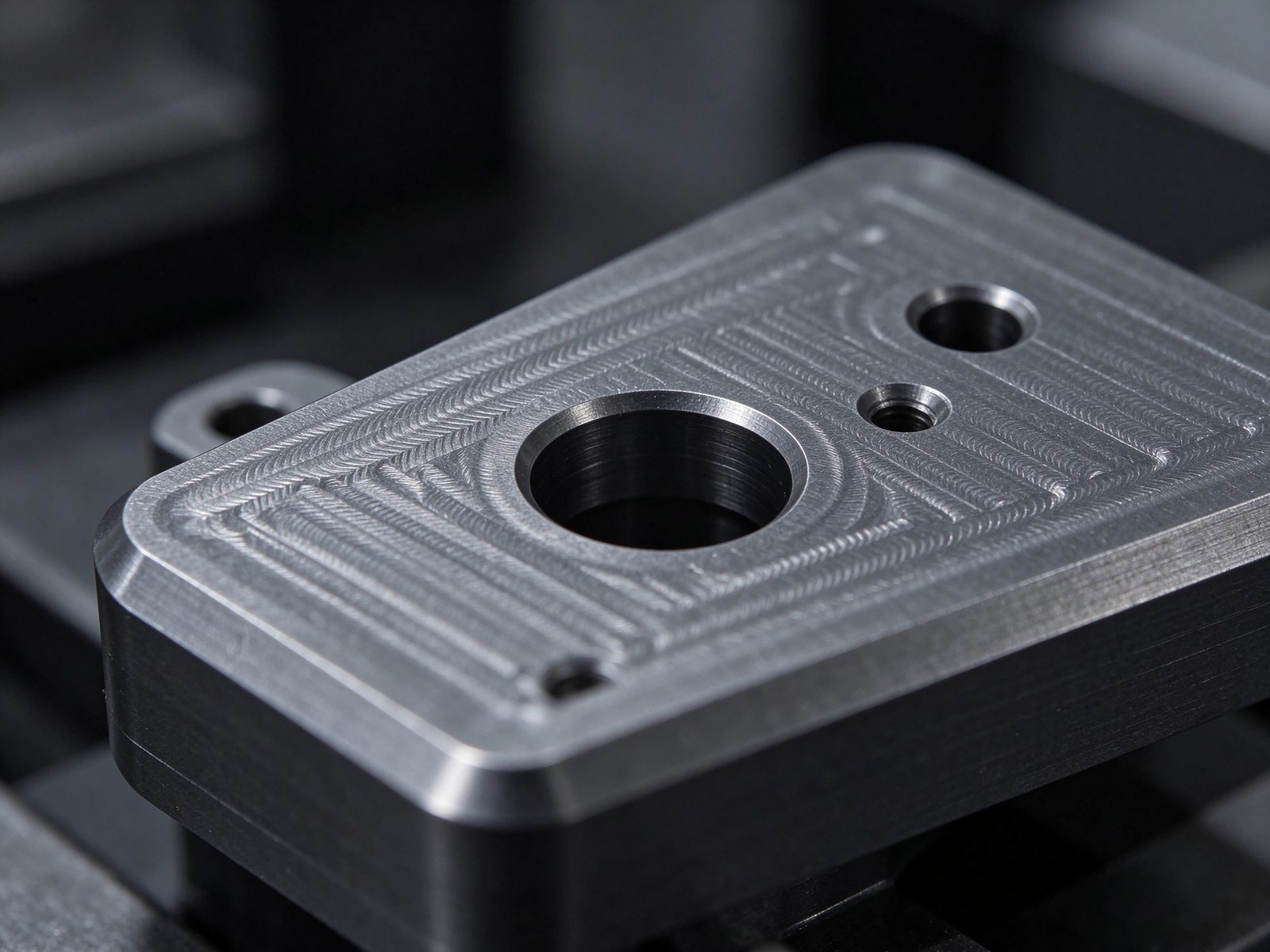
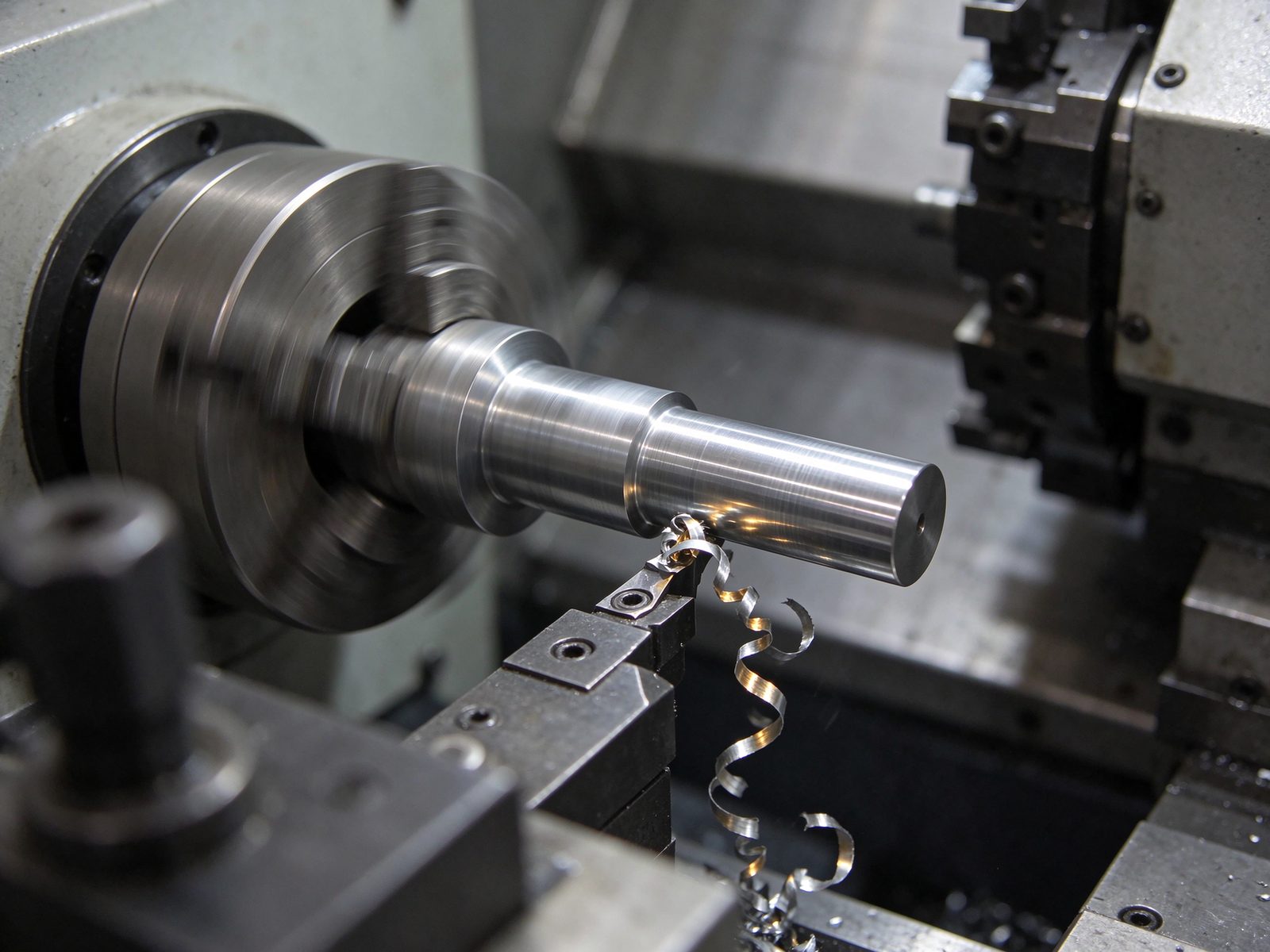
Real production scenes from the Ningkang workshop. Machine brands are shown for equipment identification only.
We quote the part and how it is used, not a catalogue number. These are the applications we discuss most with overseas buyers.
Fixtures, brackets, mounts, slide bases and end-effector parts.
↗Drive components, machine covers, mounting bodies and replacement parts.
↗Precision carriers, mounting plates, adjustment parts and enclosures.
↗Prototype parts, design iterations and pre-production builds.
↗Five steps. The questions that matter are asked before production.
PDF, DWG or STEP. Include quantity, material, finish, expected delivery date and delivery country.
→Geometry, tolerance, manufacturability and missing information are checked by our team.
→Price, lead time, included operations, exclusions and shipping basis — stated together.
→Production begins after drawing, specification and commercial terms are confirmed.
→Parts are checked against the drawing and packed for the agreed shipping method.
Not sure whether your file is ready? Send it anyway. A short email with the drawing and quantity is enough to start the conversation.
Start an RFQ ↗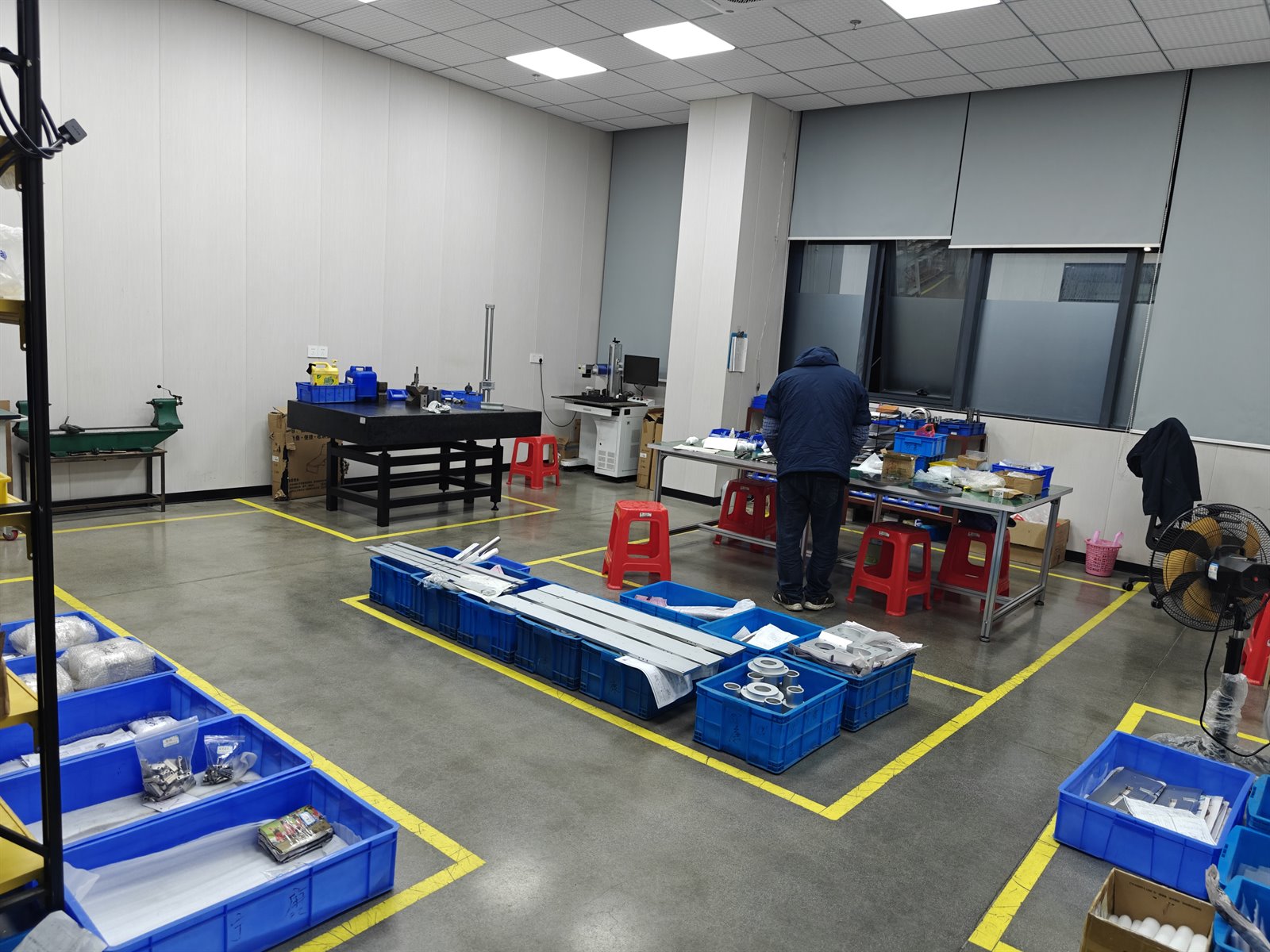 Inspection & measurement area
We check the points that matter on the drawing and send the inspection records with the shipment.
Inspection points are set from the drawing's dimensions and tolerances.
Dimensional records and material documentation can be included on request.
Customer files are used for quotation and production only, not shown publicly.
If a tolerance or feature needs discussion, we raise it before the job is run.
Packing method follows part geometry, finish and the agreed transport route.
Quotation, production questions and shipping updates stay with your contact.
Founded in Guangzhou in 2010, Ningkang now works from Longjiang, Shunde. We make metal parts from drawings for product teams and equipment builders, from one-off prototypes to repeat batches.
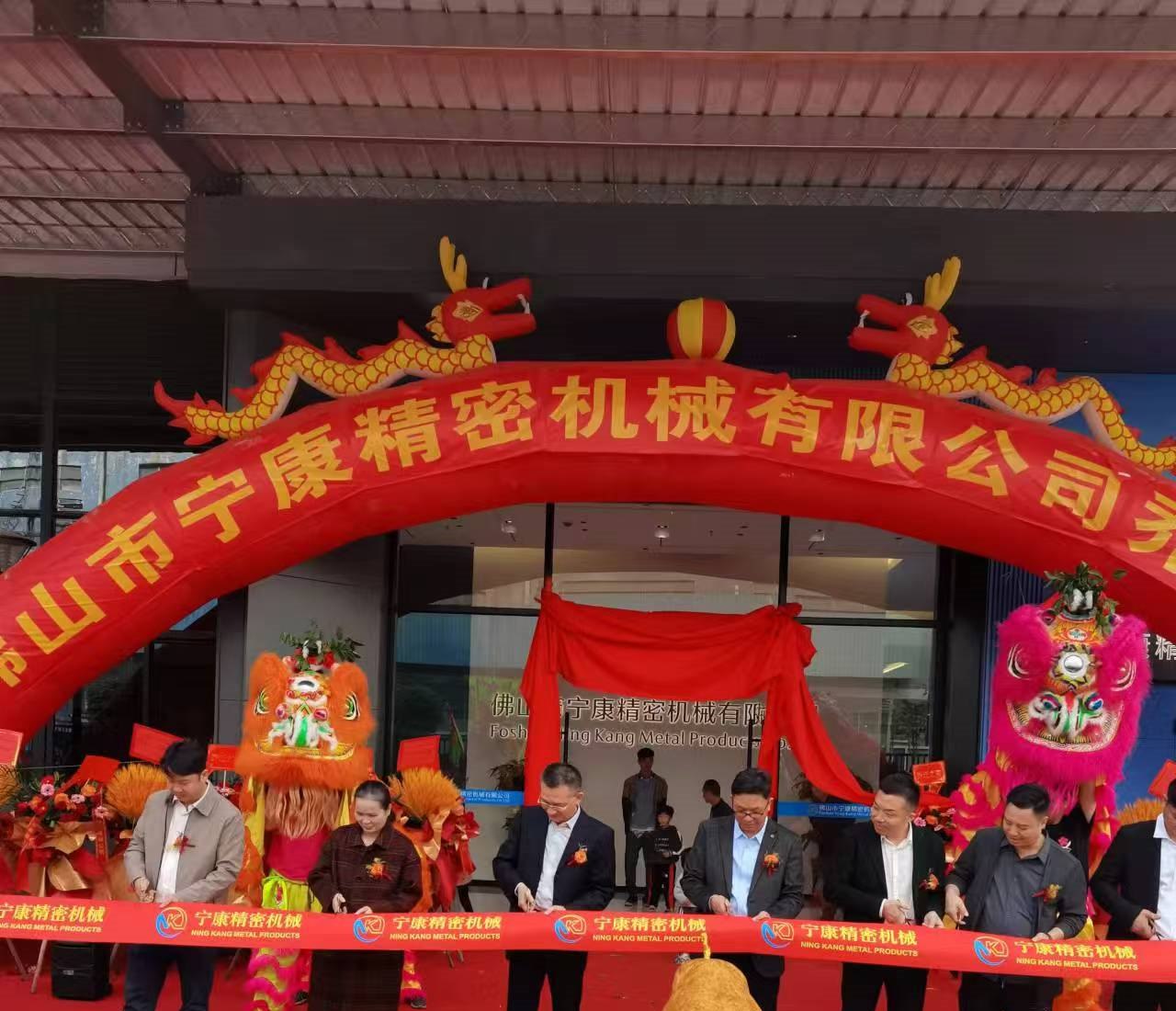
Ningkang was founded in Guangzhou in 2010. In late 2024, the company moved to its current facility in Longjiang, Shunde, bringing the team, the machines and the daily work of custom machining under one roof.
The move marked a new stage for the company. The working principle stayed the same: understand the drawing, ask the missing questions, and inspect the part before it leaves.
Customers in automation, laboratory equipment and industrial machinery.
For a 500-piece transition batch, the appearance and hole dimensions were consistently stable — not a single part needed sorting. That is rare among suppliers moving from prototype to production.
We received the DFM review within 12 hours. Their suggested tolerance adjustment saved us a secondary operation. That response speed is why we continue working with them.
Share the part, the quantity and the destination. If anything is unclear, we will ask a specific question rather than guess.
Tell us enough to review the part. We will reply by email.